
Kinetic interior design is one of the most exciting emerging directions in modern interiors. Rooted in motion, adaptability, and user-responsive environments, kinetic design transforms static spaces into dynamic, flexible ecosystems. While the term is often associated with moving walls or transformable furniture, its scope is far wider—combining engineering, digital technology, material science, and human psychology to create interiors that adapt like living organisms.
What Exactly Is Kinetic Interior Design?
Kinetic interiors integrate movement as a functional and aesthetic element. This movement can be:
- Mechanical – sliding partitions, rotating panels, folding structures
- Digital/Automated – sensors, motors, AI-controlled systems
- Material-Driven – shape-memory alloys, flexing composites, responsive textiles
At its core, kinetic design solves a modern problem: limited space, changing needs, and the desire for personalized environments.
Unknown and Fascinating Aspects
Most people think kinetic interiors are just “moving walls,” but the field is much deeper.
1. Shape-Memory Materials
Some advanced kinetic systems use shape-memory alloys that bend, stretch, or contract with temperature or electrical impulses. These materials allow furniture and walls to transform without visible hinges or motors.
2. Biomimicry in Motion
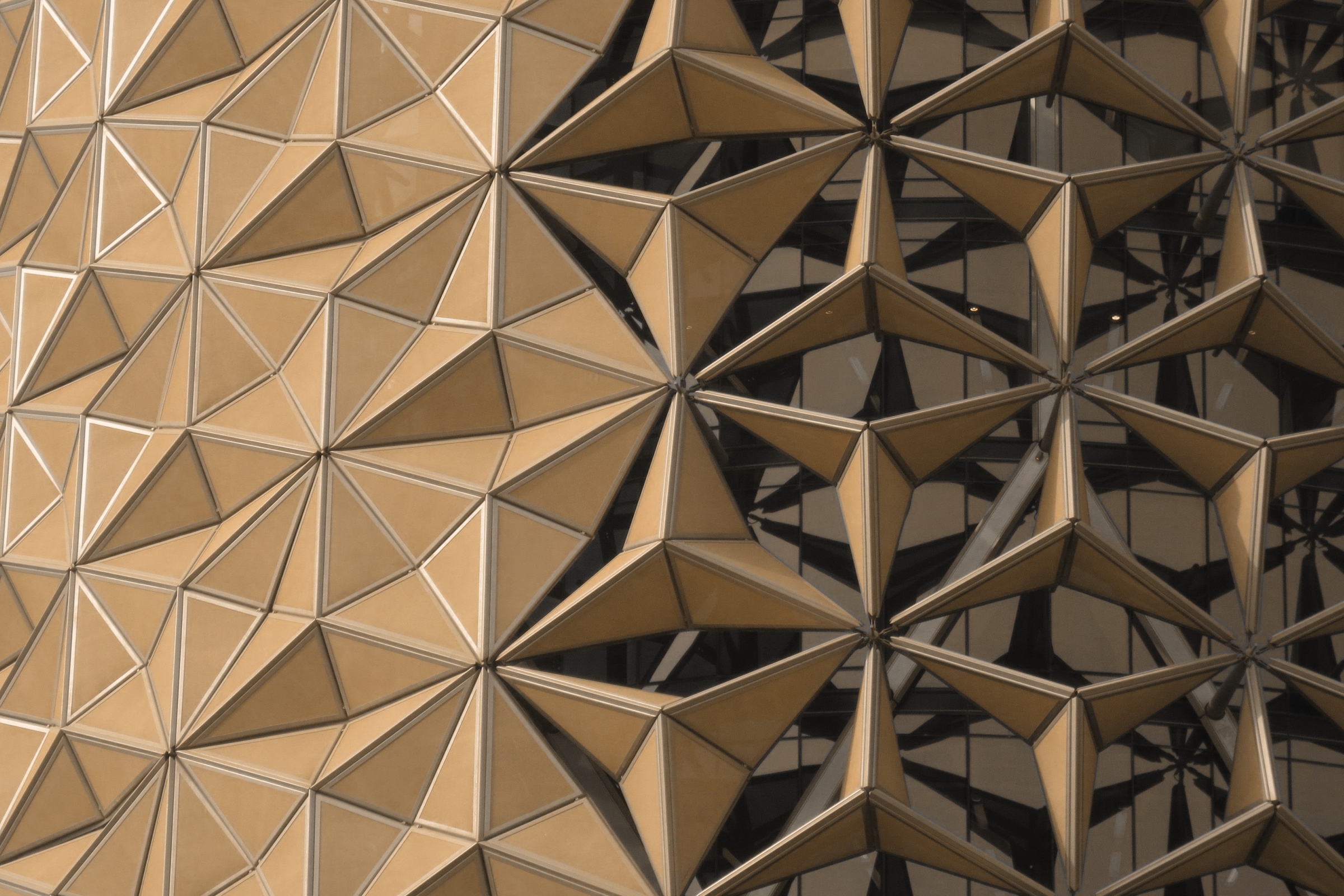
Kinetic design often draws inspiration from nature—like flower petals opening, fish scales shifting, or bird wings folding. These natural movements influence how kinetic facades, screens, and shading systems move elegantly.
3. Responsive Light and Shadow
Beyond physical movement, kinetic interiors manipulate light. Adjustable louvers, rotating fins, and pivoting screens create shifting patterns of shadow, offering emotional variation throughout the day. It’s not just movement—it’s living ambience.
4. Energy-Harvesting Kinetics
Some experimental interiors use the movement of people—like stepping, sliding or sitting—to generate small amounts of electricity. This can power LED strips, sensors, or micro-motors, making the design both interactive and sustainable.
5. Kinetic Acoustics
Few know that kinetic systems can improve acoustic
s. Movable ceiling panels or shape-changing acoustic walls can tune sound for different activities—like switching a living room from a quiet reading zone to a lively party setting.
Practical Applications
- Studio Apartments: Transforming beds, foldaway kitchens, rotating storage units
- Corporate Spaces: Meeting rooms that expand, contract, or divide
- Retail Stores: Dynamic displays that change layout every day
- Hospitality: Rooms that personalize lighting, layout, and ambience based on guest preferences
- Museums: Interactive elements that respond to movement and touch
Why Kinetic Interiors Matter
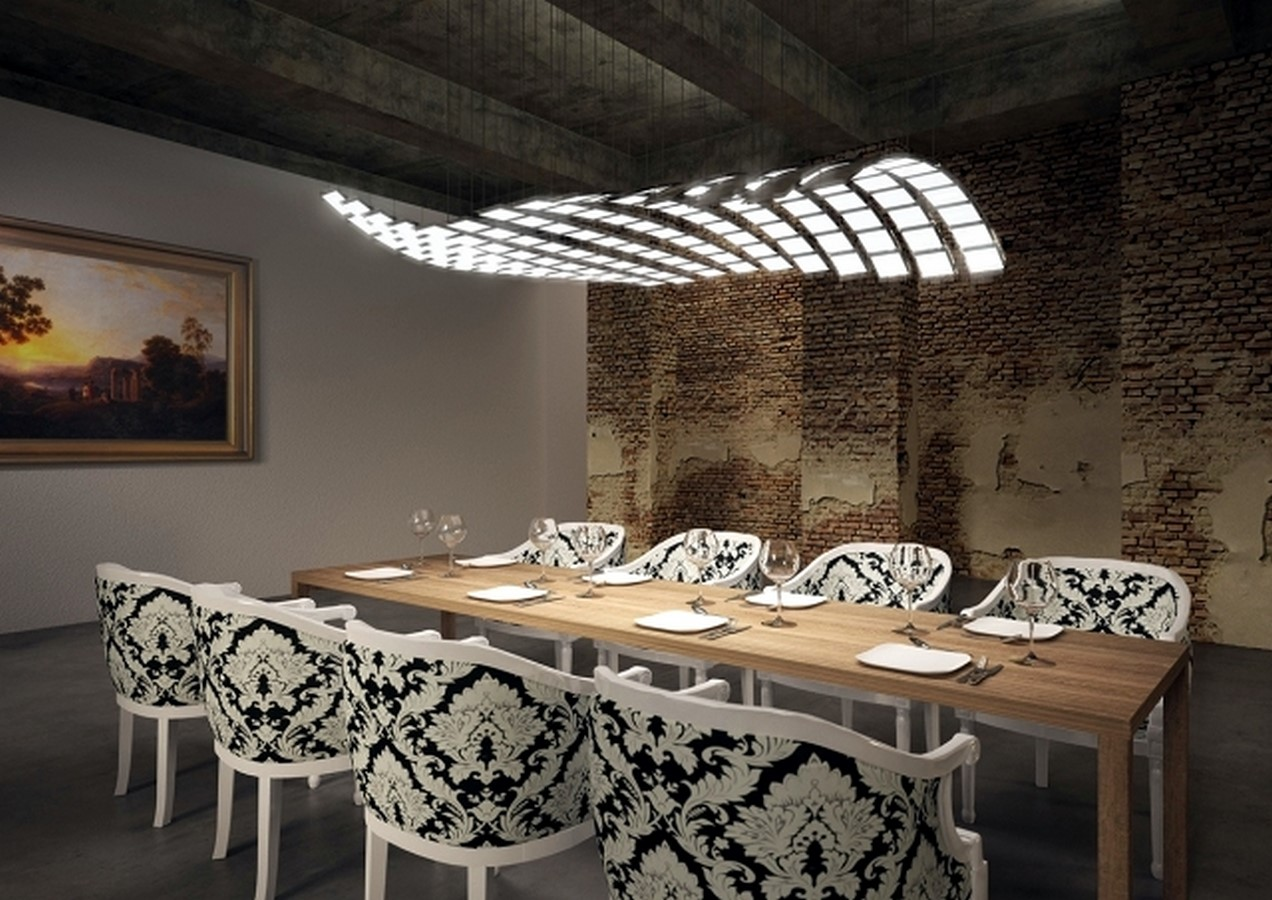
The future of design is adaptive. Homes are getting smaller; lifestyles are getting faster. Kinetic design ensures that one space can play multiple roles—without feeling cluttered or artificial. It merges engineering with artistry, making interiors not just functional, but alive, expressive, and emotionally engaging.
Conclusion
Kinetic interior design is more than a trend—it’s a shift in how we imagine space. By blending technology, natural inspiration, and human-centered thinking, kinetic interiors create environments that evolve with us. As sustainability, flexibility, and personalization become essential, kinetic design stands at the forefront of the future—where spaces no longer stay still, but move with purpose.
